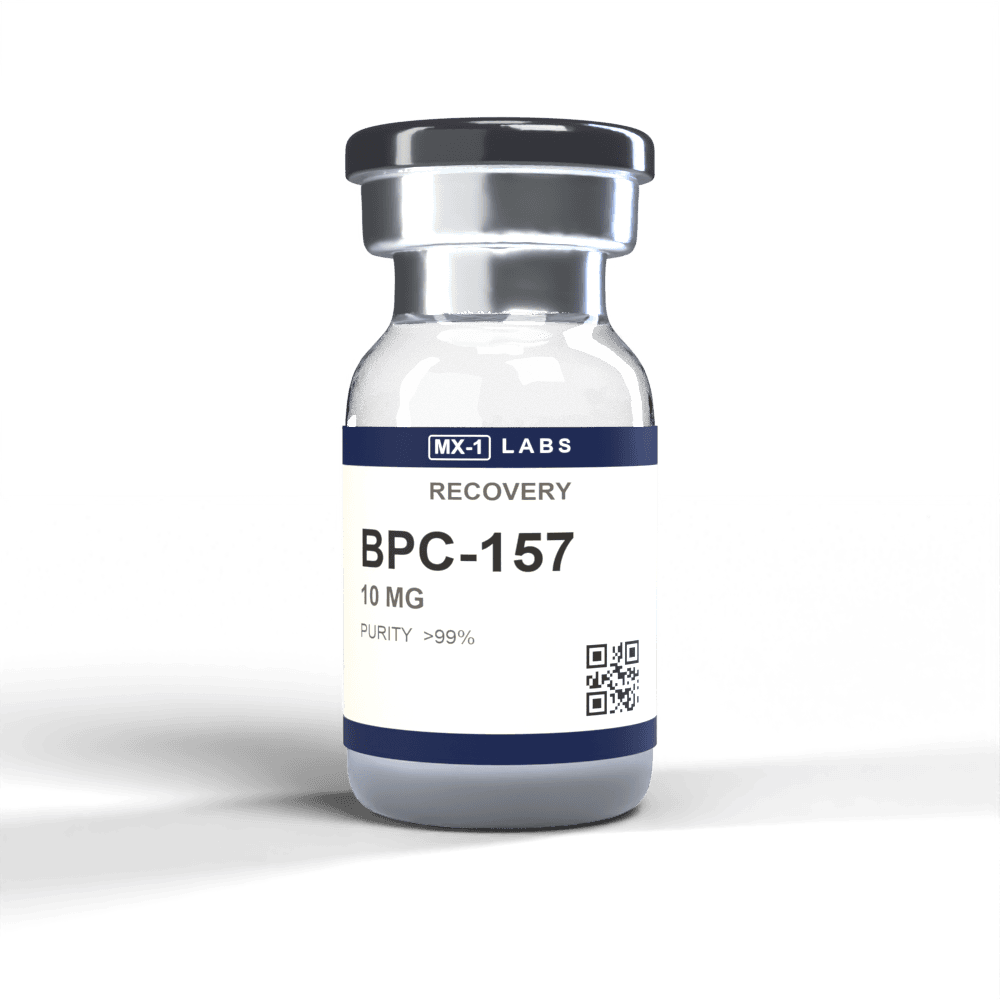
- CAS#
- 137525-51-0
- Formula
- C62H98N16O22
- M.W.
- 1,419.55 g/mol
- Sequence
- GEPPPGKPADDAGLV
Ships in 24–72 business hours from CDMX · Free shipping over MX$2,500.00
BPC-157 10 mg (Body Protection Compound-157) is a synthetic 15-amino-acid pentadecapeptide in sterile lyophilized format. Identity confirmed by ESI-MS, ≥99% purity verified by HPLC, batch CoA.
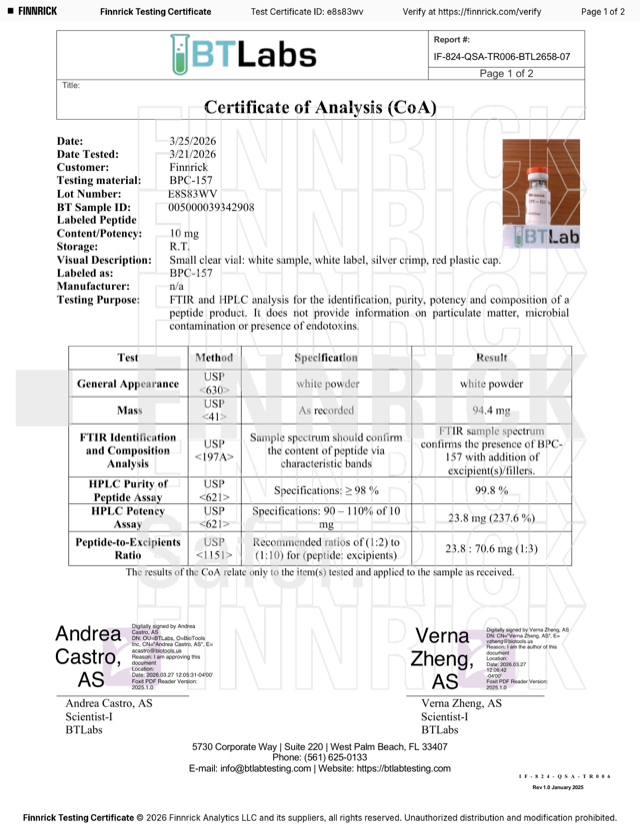
Certificate of Analysis
- Lot
- E8S83WV
- Expires
- 2028-03
- Chromatographic purity
- ≥99.8%
- FTIR
- Confirmed
- Analyzed by
- BTLabs · 2026-03
Preview COAHide preview
- CAS#
- 137525-51-0
- Formula
- C62H98N16O22
- M.W.
- 1,419.55 g/mol
- Sequence
- GEPPPGKPADDAGLV
- Lot
- E8S83WV
- Expires
- 2028-03
- Chromatographic purity
- ≥99.8%
- FTIR
- Confirmed
- Analyzed by
- BTLabs · 2026-03
Preview COAHide preview
BPC-157 10 mg (Body Protection Compound-157) is a synthetic 15-amino-acid pentadecapeptide in sterile lyophilized format. Identity confirmed by ESI-MS, ≥99% purity verified by HPLC, batch CoA.
Ships in 24–72 business hours from CDMX · Free shipping over MX$2,500.00
Technical specifications
- Molecular weight
- 1,419.53 Da
- Sequence
- Gly-Glu-Pro-Pro-Pro-Gly-Lys-Pro-Ala-Asp-Asp-Ala-Gly-Leu-Val (15 aa)
- Format
- Sterile lyophilized
- Content
- 10 mg per vial
- Purity
- ≥99% verified by HPLC in batch CoA
- Identity
- Confirmed by ESI-MS
- Stability
- Reported stable at acidic pH [1]
- Endotoxins (LAL)
- < 5 EU/mg
- Water content (Karl Fischer)
- < 6%
- Amino acid analysis
- Composition confirmed by acid hydrolysis
About BPC-157 10 mg
BPC-157 (Body Protection Compound-157) is a synthetic 15-amino-acid pentadecapeptide whose sequence was originally identified as a partial fragment of a protective protein found in human gastric juice.
The preclinical literature available in indexed scientific databases includes the work on tendon healing by Chang and colleagues published in the Journal of Applied Physiology [3], the systematic review of angiogenic and cytoprotective mechanisms by Sikiric et al. in Frontiers in Pharmacology [1], and the comparative analysis by Seiwerth et al. on BPC 157 versus classical angiogenic growth factors in Current Pharmaceutical Design [4]. Controlled clinical evidence in humans remains limited according to the public trials registry [2].
MX-1 Labs distributes BPC-157 10 mg in Mexico as a scientific research compound in sterile lyophilized format, with an auditable batch number and complete per-vial analytical documentation. The product is intended exclusively for in vitro laboratory research and authorized preclinical models; it is not a medication, supplement, or consumer product.
Research applications
In preclinical in vitro and in vivo rodent models, BPC-157 promotes angiogenesis through regulation of VEGF expression and modulation of endothelial nitric oxide production (eNOS) [1]. The preclinical literature describes interaction with the dopaminergic system and modulation of the gut-brain axis, as well as cytoprotective effects in experimental models of gastric, hepatic, neuronal, and muscular damage [1][3]. The pentadecapeptide shows reported stability at acidic pH, a characteristic documented in the original work by the Sikiric group [1]. The specific experimental application is the responsibility of the receiving lab's in vitro or preclinical design and its authorized institutional SOP.
Storage and handling
Sealed vial of BPC-157 10 mg: protect from humidity and direct light, avoiding unnecessary thermal cycles and storing per the batch documentation. Once the experimental solution is prepared, use the stability window defined specifically by the batch, diluent, aseptic technique, and the lab's institutional protocol. Do not extrapolate reconstituted-solution stability from other pentadecapeptides. Maintain a complete record of opening date, diluent, workstation conditions, and storage temperature. Discard the material at any sign of turbidity, suspended particles, color change, or loss of the original lyophilized appearance.
Scientific references
- Sikiric P et al. Stable Gastric Pentadecapeptide BPC 157: Novel Therapy in Gastrointestinal Tract. Frontiers in Pharmacology 2018; 9:1338. View source on PubMed →
- ClinicalTrials.gov — Registered studies of BPC-157 in humans (registry review). View registry →
- Chang CH et al. The promoting effect of pentadecapeptide BPC 157 on tendon healing. J Appl Physiol 2011; 110(3):774–780. View source on PubMed →
- Seiwerth S et al. BPC 157 and Standard Angiogenic Growth Factors. Curr Pharm Des 2018; 24(18):1972–1989. View source on PubMed →
Frequently asked questions
What's included in the BPC-157 10 mg vial?+
A sterile lyophilized vial containing BPC-157 10 mg (15-amino-acid pentadecapeptide), shipped with the batch Certificate of Analysis (CoA) — the batch number is auditable against the independent analytical lab.
What purity is guaranteed?+
≥99% verified by reverse-phase HPLC with a full chromatogram. Identity is confirmed by mass spectrometry (MS/ESI) and water content is reported by the Karl Fischer method.
Why is BPC-157 studied alongside TB-500?+
Because the preclinical literature analyzes both in multimodal regenerative research programs: BPC-157 with an angiogenic/cytoprotective profile and TB-500 modulating the actin cytoskeleton. MX-1 Labs does not recommend combinations; it documents the bibliographic context.
Is it stable at acidic pH?+
The preclinical literature from Sikiric and colleagues reports stability of the pentadecapeptide at acidic pH, a characteristic documented in the group's original work. Stability of the prepared solution depends on the batch CoA, diluent, and the lab's SOP.
How do I verify that the batch is legitimate?+
By cross-referencing the batch number printed on the vial against the CoA issued by the independent analytical lab, validating the analysis date and signature. Per-batch retention samples are held by our synthesis partner; we coordinate audit requests through them.
How long does shipping take, and is there free shipping?+
1–4 business days depending on destination within Mexico (1–2 north, 2–3 center, 3–4 south) via Estafeta, FedEx, or DHL. Free shipping on orders over $2,500 MXN. We do not ship internationally.
Is it legal to buy research peptides in Mexico?
Yes. Research peptides are sold legally in Mexico strictly for laboratory research use — not for human or veterinary consumption, diagnosis, or treatment. MX-1 Labs sells for research purposes only; at checkout you confirm compliant use under applicable law (COFEPRIS) and your lab's protocols. Nationwide shipping from CDMX.
Reviews
- 5 ★3
- 4 ★2
- 3 ★0
- 2 ★0
- 1 ★0
- AKAna K.✓ Verified purchaselast month
El certificado de análisis coincidió con el lote. Empaque sellado y discreto.
lot · BPC-2026-A11 - RTRicardo T.✓ Verified purchaselast month
Llegó a Puebla en 2 días. Vial con sello intacto y etiqueta perfectamente legible.
- RFRegina F.✓ Verified purchase2 months ago
Reconstituido quedó totalmente transparente. Buena documentación adjunta.
- MÁMiguel Á.✓ Verified purchase3 months ago
Calidad consistente respecto al pedido anterior. Pureza acorde al COA.
lot · BPC-2026-A08 - COCamila O.5 months ago
Buen producto y empaque; el seguimiento del envío pudo ser más claro.
Other research peptides
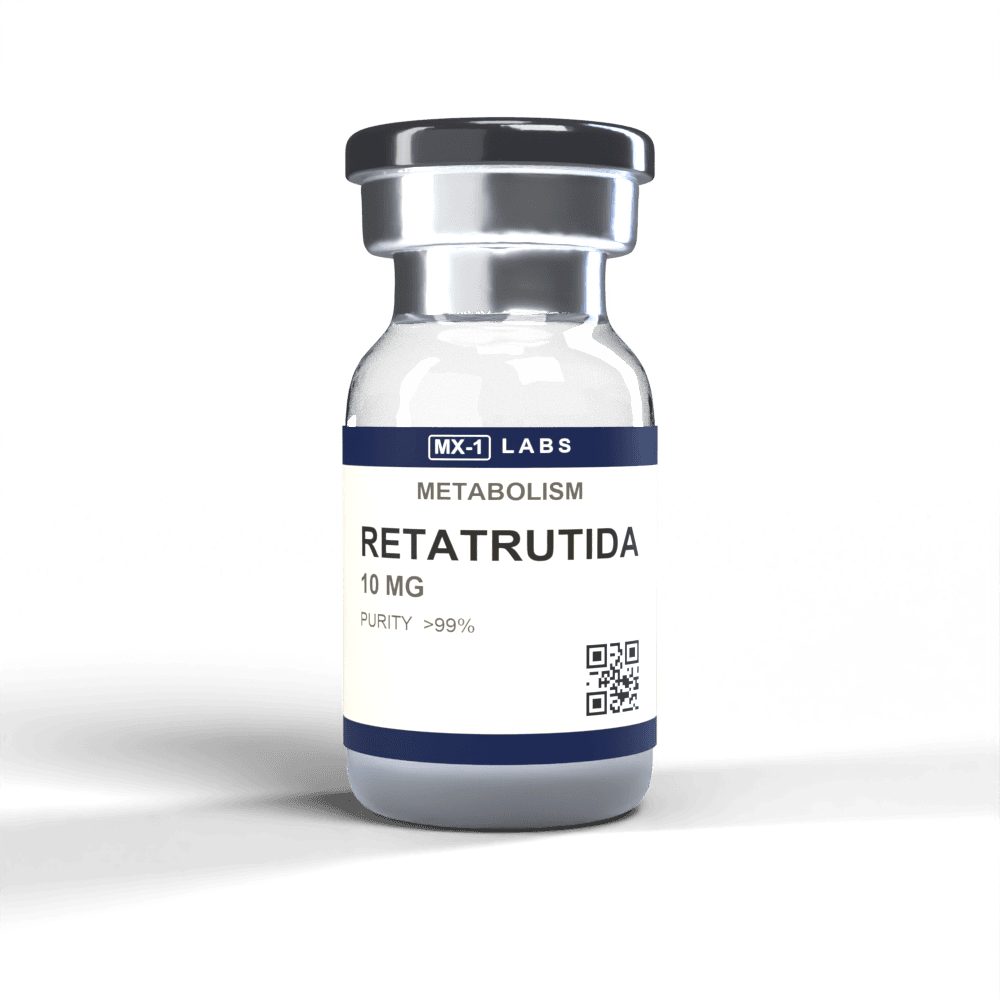 Analyzed in the USAAvailable
Retatrutide
Triple GIP/GLP-1/Glucagon agonist · Metabolism
4.5(6)FromMX$949.00
View product5 · 10 · 15 · 20 mg · For research
 Analyzed in the USAAvailable
Tirzepatide
Dual GIP/GLP-1 agonist · Metabolic
4.8(4)MX$1,399.00
View product10 mg · For research
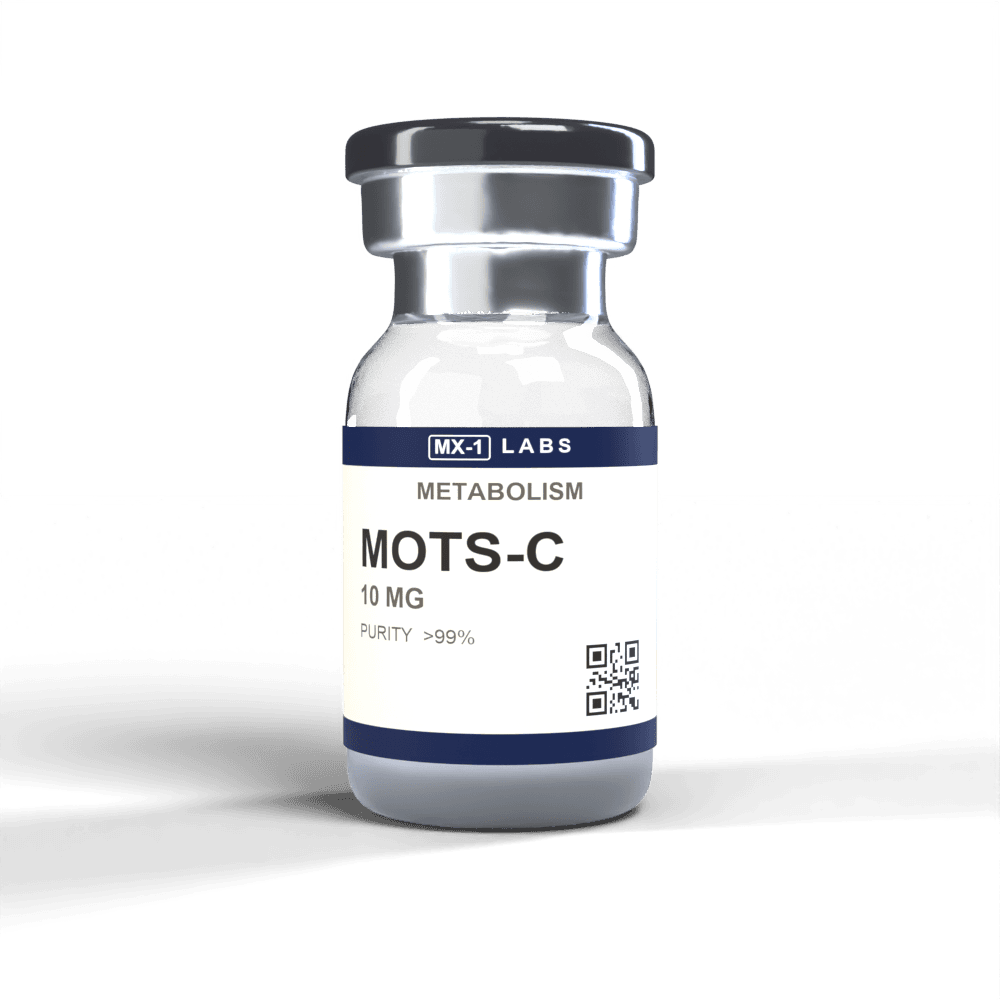 Analyzed in GermanyAvailable
MOTS-c
Mitochondrial peptide · Cellular Energy
4.8(4)FromMX$720.00
View product5 · 10 mg · For research
 Analyzed in the USAAvailable
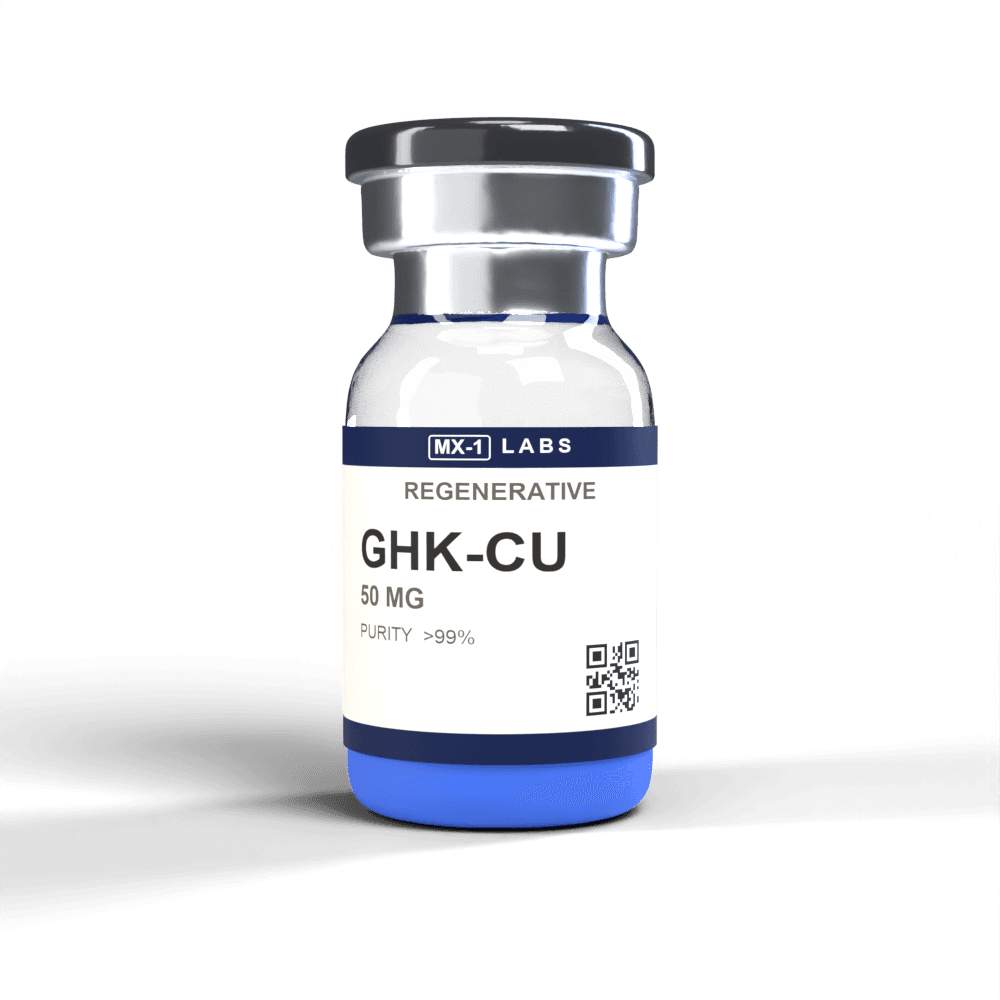
GHK-Cu
Copper tripeptide · Dermatology
4.8(4)MX$518.00
View product50 mg · For research